
Photography usually captures a single moment in time. But sometimes, combining two moments in one frame tells a much bigger story. This is where Double Exposure—also known as multiple exposure—comes in.
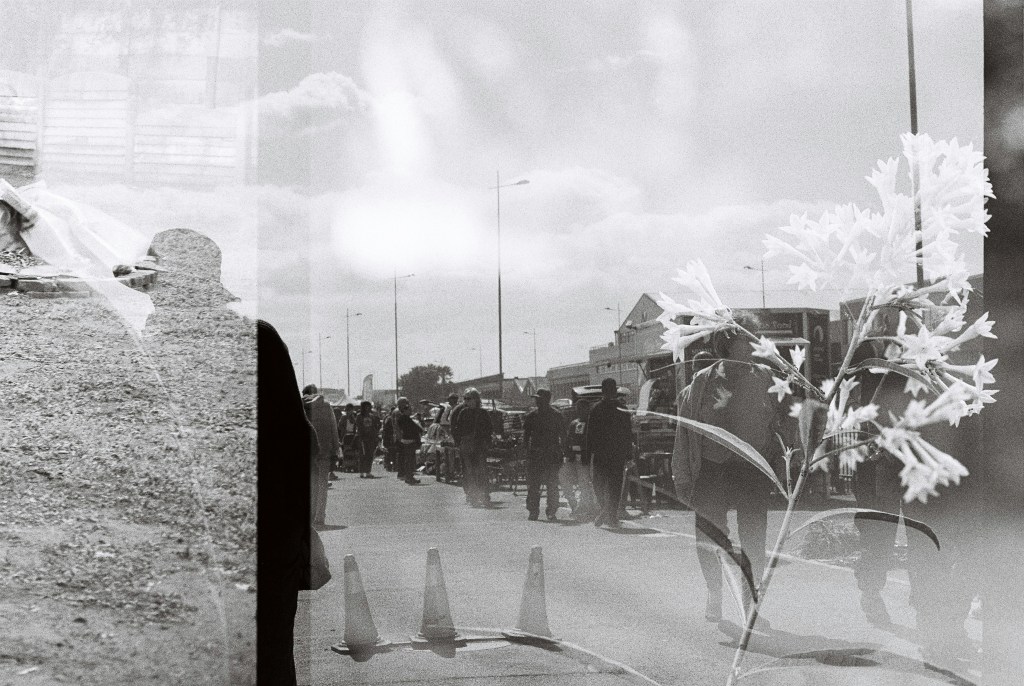
What Is Double Exposure?
Double Exposure is the technique of overlaying two or more images into a single frame.
In the days of film cameras, this effect was created by exposing the same piece of film twice. Today, digital cameras and even smartphones make it much easier to achieve.
By layering different realities, this method creates new symbols and emotions, transforming ordinary photos into artistic and surreal works.
What Kind of Results Can It Create?
Double Exposure can be used to achieve striking effects, such as:
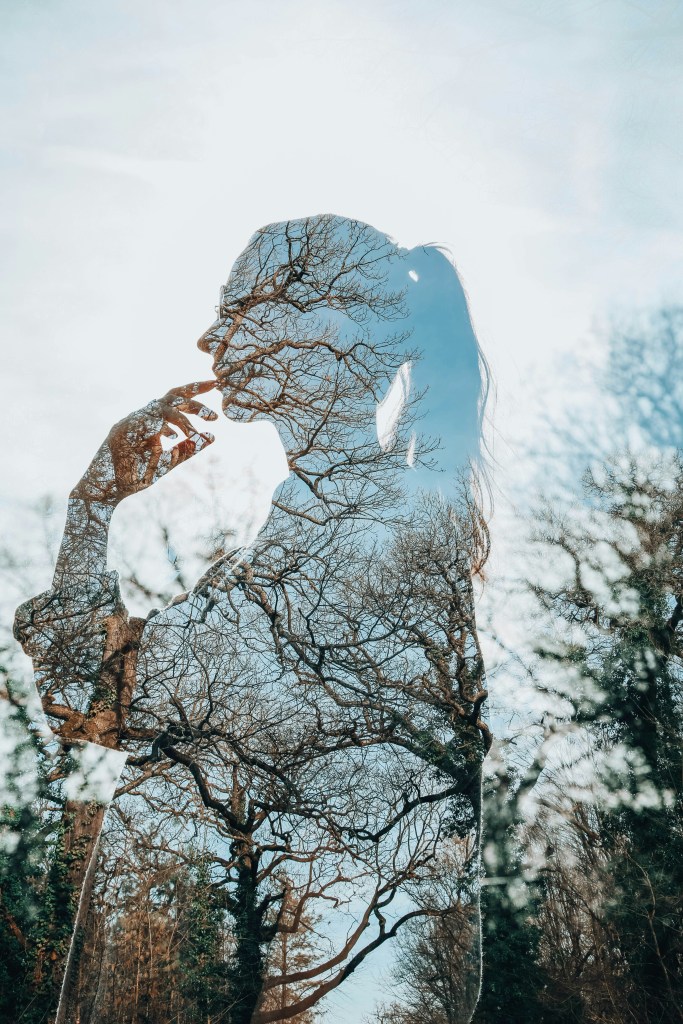
- Portrait + Landscape: Place a forest or city skyline within a person’s silhouette for a poetic blend.
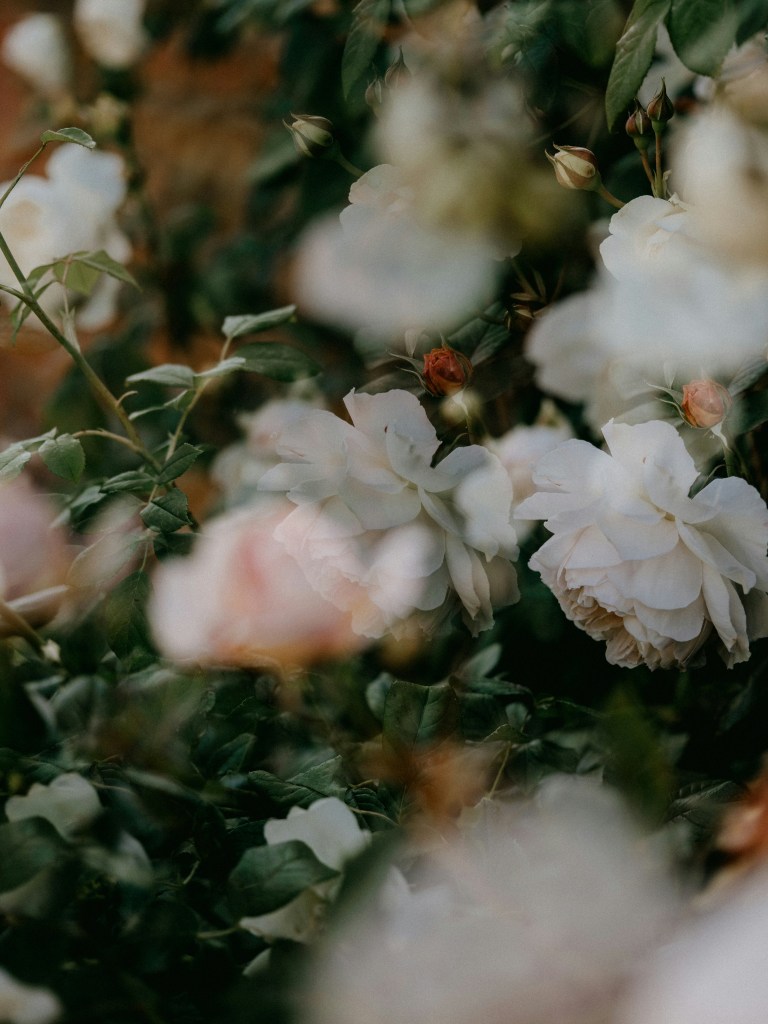
- Nature + Patterns: Overlay flowers, waves, or trees with geometric designs to create unique textures.
- Abstract Effects: Use smoke, light, or reflections to give a surreal, dreamlike feeling.

The results often feel dreamy, dramatic, and poetic, offering more than just a record—they tell a layered story.
Why Double Exposure Matters
In today’s world of countless images, Double Exposure goes beyond a single snapshot—it layers emotion and narrative into one frame.
Search for “double exposure photography” online and you’ll see images that don’t just look cool; they make you ask, “How is this even possible?”
That’s the power of this technique: it impresses the viewer while inspiring photographers to experiment and reimagine their work.
Final Thoughts
Double Exposure is not just about overlapping two photos. It’s about blending reality and imagination, moments and memories, into a single piece of art.
Thanks to digital photography, anyone can try this technique today with their camera or smartphone.
For photography lovers, it’s a style worth exploring—a way to turn everyday images into something extraordinary.
 Retrica
Leave a comment